
Currently Empty: €0.00
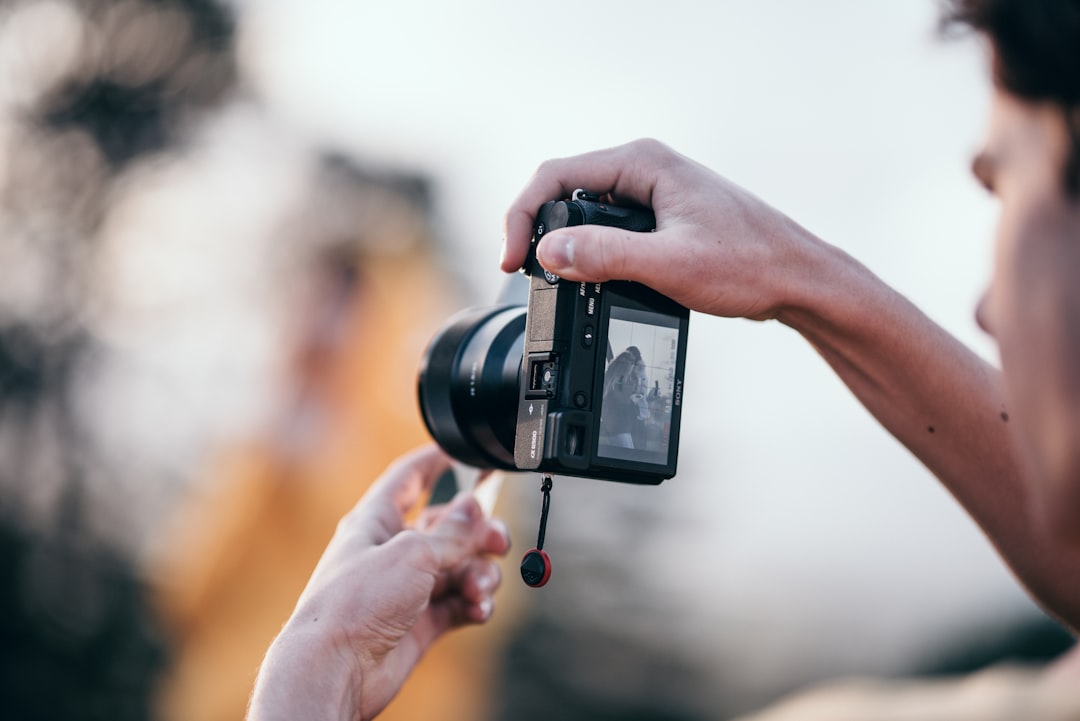
Purchasing your first camera can be an exhilarating yet daunting experience. With a plethora of options available, it’s easy to feel overwhelmed. However, by following a structured approach, you can simplify the process and make an informed decision. This guide will walk you through essential considerations and provide a step-by-step plan to help you choose the perfect camera for your needs.
**Understanding Your Needs**
Before diving into the technical specifications, it’s crucial to understand your photography goals. Are you looking to capture stunning landscapes, document family events, or perhaps venture into professional photography? Identifying your primary use will guide your selection process. For instance, a compact camera may suffice for casual snapshots, while a DSLR or mirrorless camera might be necessary for more serious endeavors.
**Researching Camera Types**
There are several types of cameras available, each catering to different skill levels and purposes:
1. **Point-and-Shoot Cameras**: These are user-friendly and ideal for beginners. They offer automatic settings and are compact, making them perfect for travel.
2. **DSLR Cameras**: Digital Single-Lens Reflex cameras provide greater control over settings and interchangeable lenses. They are suitable for enthusiasts and professionals.
3. **Mirrorless Cameras**: Similar to DSLRs but without the mirror mechanism, these cameras are lighter and often offer advanced features.
4. **Action Cameras**: Designed for adventure, these cameras are durable and waterproof, perfect for capturing high-energy activities.
**Setting a Budget**
Establishing a budget is a critical step in your camera buying journey. Cameras can range from a few hundred to several thousand dollars. Consider not only the camera body but also additional costs such as lenses, memory cards, and accessories. A well-defined budget will help narrow down your options and prevent overspending.
**Evaluating Key Features**
When comparing cameras, focus on the following features:
– **Megapixels**: While more megapixels can enhance image quality, they are not the sole determinant of a camera’s performance. A camera with 16-20 megapixels is typically sufficient for most users.
– **Sensor Size**: Larger sensors generally capture more light, resulting in better image quality, especially in low-light conditions. Full-frame sensors are ideal for professionals, while APS-C sensors are great for enthusiasts.
– **Lens Compatibility**: If you opt for a DSLR or mirrorless camera, consider the availability of lenses. A versatile lens can significantly enhance your photography experience.
– **Video Capabilities**: If you plan to shoot videos, check the camera’s video resolution and frame rates. Many modern cameras offer 4K video recording, which is a valuable feature.
**Trying Before You Buy**
Once you’ve narrowed down your options, visit a local camera store to handle the cameras. Pay attention to the ergonomics; how does the camera feel in your hands? Is it comfortable to hold? Testing the controls and menus can also help you determine if the camera suits your style of shooting.
**Reading Reviews and Comparisons**
Before making a final decision, read reviews from reputable sources and watch comparison videos. User experiences can provide insights into the camera’s performance in real-world scenarios. Look for feedback on image quality, durability, and customer service from the manufacturer.
**Step-by-step plan:**
Step 1: Define your photography goals to understand what type of camera you need.
Step 2: Research different camera types and their features to find the best fit.
Step 3: Set a budget that includes the camera and necessary accessories.
Step 4: Visit a store to test the cameras and read reviews before making a purchase.
**Final Thoughts**
Buying your first camera is a significant step in your photography journey. By following this checklist, you can approach the process with confidence and clarity. Remember, the best camera is one that meets your needs and inspires you to capture the world around you. Whether you choose a compact point-and-shoot or a professional DSLR, the most important thing is to enjoy the art of photography.